Steven, MA
This studio writes the argument first.The products answer to it.
What is this thing actually claiming? Nobody asks that question of the chair, the objet d'art, the line of code—not the people making them, not the people living with them. The answer usually takes longer than anyone expects.
I got here through economics—not as decoration, but as a system. I studied how value moves through markets, how scarcity shapes desire, how timing creates opportunity. Then I looked at my own work and realized the same logic applied: every iteration either strengthened the argument or weakened it. The thesis sharpened. Then people wanted my method.
Florence Knoll said she was practicing interior architecture, not interior decoration. The difference mattered: arranging objects in a space versus designing the argument the space was making. She was practicing a kind of curation—understanding that the whole had to hold value as a gestalt, not just as its parts. This studio's work runs the same line: every piece is part of a coherent argument that must hold.
That's the distinction that matters to me.
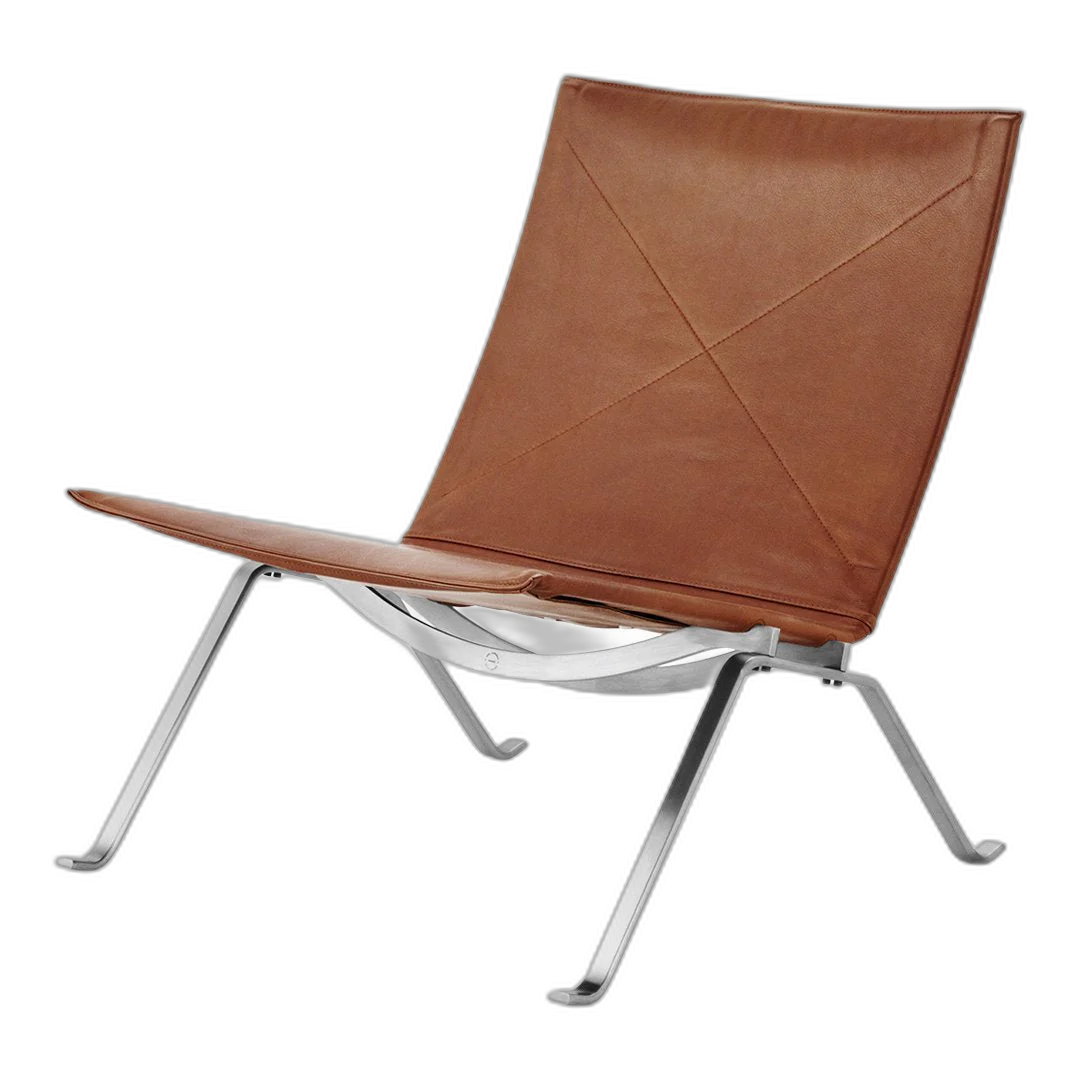
Wrought.
Anyone can buy an Eames lounge on a Tuesday. The right one — oiled rosewood, patinated leather, down-filled cushions — takes a year of looking and the savoir-faire to recognize the craft. What I build is the thesis objects make together — every piece earning its throughline, the wrong one breaking it.
Friction.
The first idea is the category default. The second is the trope. The third is where the work begins. Placing a Burdick across from a Kukkapuro — anodyne design theory would separate them; this studio puts them in the same room. I put the friction in from the outset. Tension and drama follow.
Annotated.
Who made it?
Who owned it?
What it survived.
If the chain breaks, the object doesn't enter.
revealed.design reads the same way — it IS the annotation, every comment a margin note, every variable named for its reason. If the work leaves the workbench needing a docent, it isn't finished.